Launching an online store is easier than ever, but generating consistent traffic and turning visitors into customers is where many ecommerce businesses struggle. Products may be live, categories may be created, and campaigns may be running, yet search visibility often remains low. Without a structured strategy, stores frequently miss opportunities to appear in front of users actively searching for products online.
This is where ecommerce SEO becomes important. Instead of relying entirely on paid ads, SEO helps online stores improve product discoverability, strengthen category visibility, and attract users with purchase intent through organic search.
Whether you're using Shopify, WooCommerce, or a custom ecommerce platform, implementing the right SEO practices can create long-term growth opportunities and reduce dependency on paid traffic channels.
Businesses looking for structured optimization can also explore our Ecommerce SEO Services in Bangalore to understand how technical improvements and content strategies support long-term growth.
Understanding Ecommerce SEO and Why It Matters
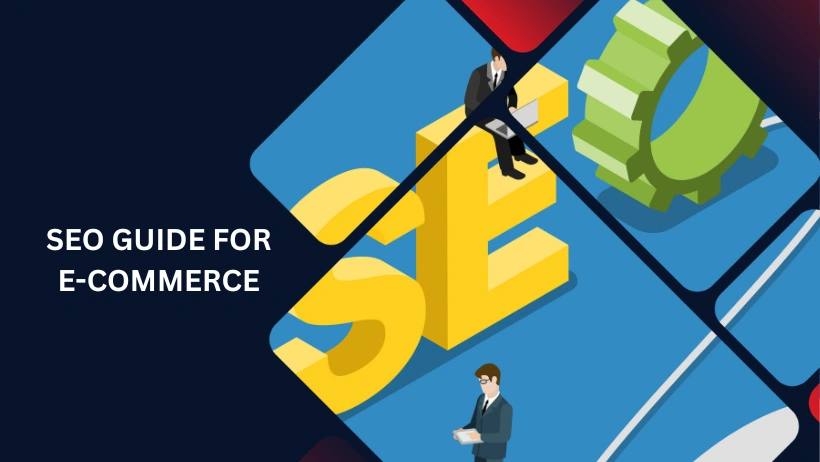
Ecommerce SEO is the process of optimizing product pages, category pages, website structure, and technical elements to improve visibility in search engines. Unlike traditional websites, ecommerce stores often contain hundreds or thousands of pages, creating additional SEO challenges.
Many businesses experience issues where products fail to rank, category pages receive little visibility, or duplicate content affects search performance. Ecommerce SEO helps solve these challenges by improving how search engines understand and index website content.
Benefits of ecommerce SEO include:
- Increased organic traffic from high-intent users
- Better product and category visibility
- Improved user experience and engagement
- Reduced dependency on paid advertising
- Long-term opportunities for sustainable traffic growth
Understanding search intent also plays a major role in ecommerce performance. Learn more in our guide on Keyword Intent in SEO and how different keyword types influence traffic and conversions.
Common Ecommerce SEO Problems That Affect Online Stores
Many ecommerce businesses invest heavily in products and marketing but overlook SEO issues that affect discoverability and sales performance.
- Product pages not ranking for purchase-intent searches
- Weak category structures and navigation systems
- Duplicate content caused by filters and URLs
- Slow page speed affecting user experience
- Poor internal linking between products and categories
- Low visibility despite having quality products
- Technical issues impacting indexing and crawlability
Many of these issues are connected to website architecture and technical SEO foundations. Learn more in our guide on Technical SEO and Why It Matters.
Keyword Research for Ecommerce SEO Success
Keyword research helps ecommerce businesses understand how customers search for products and services. Instead of targeting broad terms with high competition, businesses should focus on keywords that indicate stronger purchase intent.
Types of keywords commonly used in ecommerce SEO include:
- Product keywords: buy running shoes online
- Category keywords: men's sports shoes
- Long-tail keywords: best running shoes for beginners
Long-tail keywords often bring more targeted visitors because they match specific search behavior and customer intent.
On-Page Optimization for Product and Category Pages
On-page SEO improvements help search engines understand page content while improving user experience. Product and category pages require stronger optimization because they directly influence rankings and conversions.
- Title tags with targeted keywords
- Compelling meta descriptions
- Unique product descriptions
- Image optimization and alt text
- Search-friendly URL structures
- Clear heading hierarchy
Businesses interested in broader page optimization can also explore our guide on Why On-Page SEO Matters.
Technical SEO for Ecommerce Websites
Technical SEO focuses on improving website performance, crawlability, and indexing efficiency. Even strong content and product pages can struggle if technical issues prevent search engines from understanding website structure.
- Improve website speed
- Optimize mobile responsiveness
- Create XML sitemaps
- Fix broken links
- Implement canonical tags
- Resolve crawl errors
Stores with slow performance or technical limitations often struggle with visibility. Businesses planning website improvements can also explore our Website Development Services in Bangalore.
Ecommerce SEO Strategies That Support Long-Term Growth
Once foundational SEO improvements are implemented, businesses can focus on advanced optimization opportunities that strengthen rankings and support growth.
- Internal linking between products and categories
- Content marketing and buying guides
- Schema markup implementation
- User reviews and user-generated content
- Authority-building strategies
- Category-level optimization
Content marketing also supports ecommerce SEO by creating additional search entry points. Learn why content strategy matters in our guide on Content Marketing for Business Growth.
Need Help Improving Ecommerce SEO?
SEO for online stores involves more than keywords and product descriptions. Technical structure, search intent, user experience, and content planning all contribute to visibility and long-term growth.
If you're looking to improve rankings, attract qualified traffic, and increase organic sales opportunities, explore our SEO Services in Bangalore or contact us for a consultation.
What is ecommerce SEO?
Ecommerce SEO is the process of optimizing an online store to improve its visibility in search engines and attract organic traffic.
Why is ecommerce SEO important for beginners?
It helps new businesses gain visibility, attract potential customers, and compete with established brands without relying heavily on ads.
How long does ecommerce SEO take to show results?
Typically, it takes 2 to 3 months to see significant improvements, depending on competition and strategy.
Can I do ecommerce SEO without hiring an agency?
Yes, beginners can start with basic optimization, but working with an ecommerce SEO agency can deliver faster and more effective results.
What are the best ecommerce SEO strategies?
Some of the best strategies include keyword optimization, technical SEO, content marketing, internal linking, and product page optimization.