Many businesses invest in websites expecting them to generate enquiries and support growth. However, having a website alone does not guarantee results. Some websites attract visitors but struggle to convert traffic into actual leads because important elements influencing user behavior are often overlooked.
A business website should do more than display information. It should help visitors understand services, build trust, and make taking action simple. The right website features can improve user experience while creating better opportunities for lead generation.
Whether businesses are building a new website or improving an existing one, understanding which features influence conversions can help create stronger digital experiences.
Why Website Features Matter for Lead Generation
Visitors often make decisions within seconds after landing on a website. Slow loading pages, unclear navigation, or missing information can create friction and reduce engagement.
Well-structured websites guide users naturally through the journey from discovery to enquiry. Businesses that improve usability often create stronger opportunities for enquiries and customer interaction.
- Improve user experience
- Build credibility and trust
- Reduce bounce rates
- Increase visitor engagement
- Support lead generation goals
Business Website Features That Help Generate Leads
Clear Call-to-Action Buttons
Visitors should immediately understand the next step after viewing a page. Clear call-to-action buttons such as "Get a Quote," "Schedule a Consultation," or "Contact Us" reduce confusion and encourage interaction.
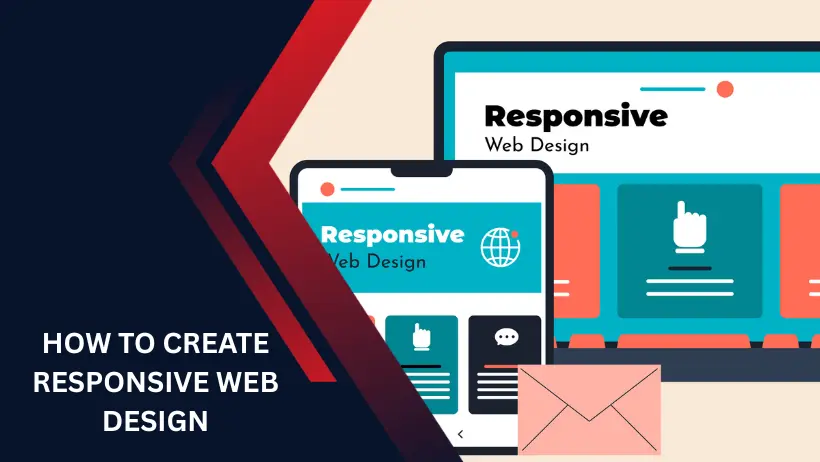
Mobile Responsive Design
Many users browse websites using mobile devices. Websites that adapt properly across screen sizes often create smoother experiences and improve engagement.
Fast Website Loading Speed
Slow websites often lead to frustration and higher bounce rates. Website speed also influences search visibility and overall usability.
Trust Signals
Customer testimonials, certifications, reviews, and business achievements help visitors feel more confident before contacting a business.
Simple Navigation Structure
Users should find information quickly without searching through multiple pages. Clear navigation improves usability and helps visitors reach important sections easily.
Contact Forms That Are Easy to Complete
Long forms often discourage users. Keeping forms short and straightforward can improve enquiry opportunities.
Live Chat or Quick Contact Options
Some visitors prefer immediate communication. Chat options, callback requests, or messaging support can reduce delays and improve interaction.
Service Pages That Answer Questions
Visitors often search for pricing, process information, timelines, or service details before contacting a business. Service pages should provide enough information to support decision-making.
Common Website Mistakes That Reduce Leads
Even visually appealing websites can lose opportunities if important usability issues remain unresolved.
- Slow page loading speed
- Weak call-to-action placement
- Confusing page structure
- Too many navigation options
- Long enquiry forms
- Poor mobile experience
- Outdated website content
Do Website Features Affect SEO?
Website features influence more than user experience. Search engines also evaluate elements such as mobile usability, speed, navigation structure, and engagement signals.
Businesses often improve visibility by combining website improvements with broader SEO efforts.
How Businesses Can Improve Existing Websites
Improving website performance does not always require a complete redesign. Small improvements often create meaningful results.
- Improve loading speed
- Update content structure
- Simplify forms
- Add trust elements
- Review CTA placement
- Improve mobile usability
Businesses planning larger website improvements sometimes evaluate website development approaches based on long-term growth goals.
Final Thoughts
Effective business websites are built around user behaviour and business objectives. Features that improve usability, reduce friction, and encourage interaction often create stronger lead generation opportunities.
Understanding what visitors need and making actions easier can help businesses create websites that support growth rather than simply acting as online brochures.
If you're planning a website designed around lead generation and user experience, get in touch to discuss your requirements.
What are the most important business website features?
The most important business website features include clear call-to-action buttons, mobile responsiveness, fast loading speed, trust signals, easy navigation, and simple contact forms.
Do website features affect lead generation?
Yes. Website features directly influence user experience, engagement, and how easily visitors can take action, which impacts lead generation.
Why is mobile responsiveness important for business websites?
Many users access websites through smartphones and tablets. Responsive websites create smoother experiences and reduce bounce rates.
Can improving website features help SEO?
Yes. Website speed, usability, mobile optimization, and user experience all influence search visibility and overall website performance.
Do businesses need a complete redesign to improve conversions?
Not always. Businesses can improve lead generation by optimizing speed, forms, navigation, and content without rebuilding the entire website.