Launching a business today without a website is like opening a store without a signboard. Whether you're a startup trying to establish credibility or an SME looking to generate more enquiries, your website often becomes the first place potential customers interact with your brand.
Many business owners assume a website is simply an online brochure. In reality, a well-developed website can support lead generation, improve search visibility, strengthen customer trust, and help businesses scale more efficiently.
The challenge is that not every website delivers results. Some look attractive but fail to convert visitors. Others are technically outdated, slow to load, or difficult to manage. Understanding what goes into effective website development can help startups and SMEs make better decisions before investing time and money.
Why Every Startup and SME Needs a Professional Website
Consumers rarely make decisions without doing some research first. Whether someone discovers your business through Google, social media, referrals, or advertisements, they usually visit your website before contacting you.
A professionally developed website helps businesses:
- Build trust with potential customers
- Showcase products and services clearly
- Generate enquiries and leads
- Improve online visibility
- Support marketing campaigns
- Create a stronger brand presence
For startups, a website helps establish credibility in a competitive market. For SMEs, it becomes an important asset that supports business growth and customer acquisition.
A business that relies only on social media platforms often has limited control over customer experience. A website gives you complete ownership of your content, branding, and customer journey.
What Should a Business Website Actually Achieve?
Before discussing design or development, it is important to define the purpose of the website.
Different businesses have different goals:
- Service businesses may focus on enquiry generation.
- E-commerce brands focus on sales.
- Consultants may focus on appointment bookings.
- Startups often focus on credibility and awareness.
A successful website is built around these objectives.
For example, if lead generation is the primary goal, visitors should easily find contact forms, enquiry buttons, and service information. If the goal is online sales, the website should make purchasing simple and friction-free.
Many websites fail because they focus only on appearance instead of business outcomes.
Essential Features Every Business Website Should Have
Technology changes constantly, but some website features remain essential regardless of industry.
Mobile-Friendly Design
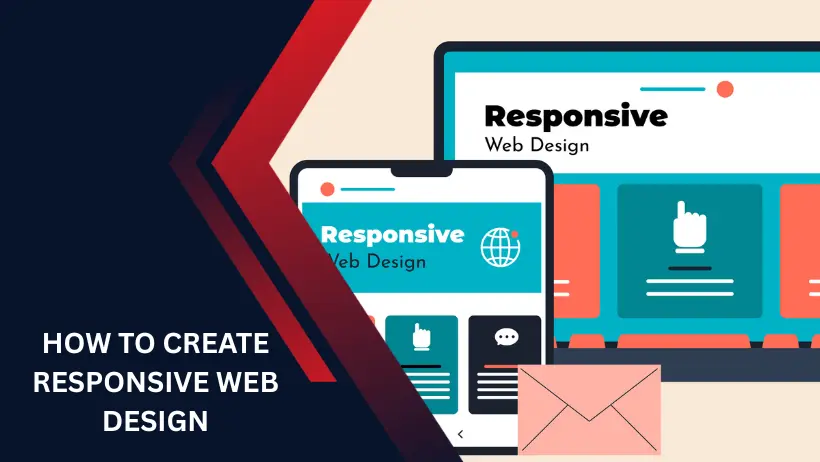
A significant percentage of website visitors browse using smartphones. A website that does not perform well on mobile devices can lose potential customers before they even explore your services.
Fast Loading Speed
Website speed directly affects user experience. Visitors are unlikely to wait several seconds for pages to load. Faster websites often experience better engagement and lower bounce rates.
Clear Navigation
Users should be able to find information quickly without confusion. Simple menus and logical page structures improve both user experience and website performance.
Strong Security
SSL certificates, secure hosting, regular updates, and protection against vulnerabilities are important for maintaining customer trust.
Contact and Conversion Elements
Every business website should make it easy for visitors to take action. Contact forms, click-to-call buttons, enquiry forms, and consultation requests should be easily accessible throughout the website.
Search Engine Friendly Structure
A website should be built with SEO fundamentals in mind. Clean URLs, proper heading structure, optimized images, and technical performance all contribute to better visibility in search engines.
How Website Development Supports Long-Term SEO Growth
Many business owners view website development and SEO as separate activities. In reality, they are closely connected.
Search engines evaluate factors such as:
- Website speed
- Mobile usability
- Site structure
- Internal linking
- User experience
- Crawlability
A technically strong website creates a better foundation for SEO.
For example, businesses investing in professional website development services often find it easier to implement content strategies, optimize pages, and improve search visibility over time.
Similarly, companies focusing on organic growth frequently discover that technical website improvements can positively influence search performance and user engagement. You can learn more about this in our guide on how web development helps generate organic traffic.
The relationship between development and SEO becomes even more important as websites grow and attract more content, pages, and visitors.
Common Website Development Mistakes Startups Make
Many startups rush into website development without proper planning. As a result, they end up rebuilding the website within a short period.
Prioritizing Design Over Functionality
Visual design is important, but it should not come at the expense of usability or performance.
Choosing the Cheapest Option
Budget constraints are understandable, but extremely low-cost solutions often create limitations that become expensive to fix later.
Ignoring Mobile Users
A desktop-only mindset no longer works. Mobile experience should be considered from the beginning.
Missing Clear Calls-to-Action
Visitors should know exactly what action to take after viewing a page.
Not Planning for Future Growth
As businesses grow, websites often require additional features, service pages, integrations, and marketing tools. Scalability should be considered early.
How to Choose the Right Website Development Partner
Choosing a website development company is not simply about comparing prices.
A reliable development partner should understand:
- Your business goals
- Your target audience
- User experience principles
- SEO requirements
- Long-term scalability
Before making a decision, review previous projects, ask about development processes, discuss timelines, and understand post-launch support options.
The right partner focuses not only on building a website but also on helping your business create a stronger online presence. Businesses that plan to improve search visibility often combine development with SEO strategies to maximize long-term results.
Final Thoughts
A website is one of the most important digital assets a business can own. It influences customer perception, supports marketing efforts, generates leads, and creates opportunities for long-term growth.
For startups and SMEs, investing in professional website development is not simply a design decision. It is a business decision.
A website built with user experience, performance, scalability, and visibility in mind can continue supporting business growth for years to come. Taking the time to plan the right structure, features, and development approach today can prevent costly problems and missed opportunities in the future.
How much does website development cost in Bangalore?
Costs vary depending
on the complexity of the project. For SMEs, affordable packages are available that
balance quality with budget, ensuring you get a professional website without
overspending.
How long does it take to build an SME website?
On average, a simple SME website can be completed in 3–6 weeks. More complex projects, such as e-commerce platforms, may take longer depending on features and integrations.
Which platform is best for startups and SMEs?
WordPress and Shopify are popular choices due to their flexibility and ease of use. However, a Website Development Company Bangalore like Bizstartify can also build custom solutions
tailored to your business needs.
Why is mobile responsiveness so important?
Most customers browse on smartphones. A mobile-friendly design ensures your SME website connects with users instantly, improving engagement and conversions.
Do SMEs really need SEO-friendly websites?
Absolutely. SEO ensures your website ranks higher on search engines, helping potential customers find you easily. For SMEs in Bangalore, this visibility can directly translate into growth.