Many businesses invest in SEO, publish content regularly, and even run marketing campaigns, yet struggle to attract consistent organic traffic. In many cases, the problem is not the SEO strategy itself but the website supporting it. A website that is slow, difficult to navigate, or technically outdated can limit visibility regardless of how much effort is invested in content and optimization.
Search engines evaluate more than keywords when determining rankings. They consider website performance, mobile usability, user experience, page structure, and technical health. This is why web development plays a critical role in organic traffic growth.
A professionally developed website creates a strong foundation that helps search engines understand content more effectively while providing visitors with a better experience. Understanding this connection can help businesses make smarter decisions when planning their digital growth strategy.
Why Some Websites Struggle to Generate Organic Traffic
Many websites fail to attract organic visitors because they focus only on design without considering performance and search visibility. While a website may look visually appealing, underlying technical issues can prevent search engines from properly crawling and indexing its pages.
Common reasons websites struggle with organic traffic include:
- Slow page loading times
- Poor mobile responsiveness
- Weak website structure
- Broken internal links
- Duplicate content issues
- Poor user experience
- Technical SEO errors
When these issues remain unresolved, search engines may struggle to understand the website, resulting in lower visibility and reduced organic traffic opportunities.
How Website Structure Influences Search Visibility
Website structure plays an important role in helping search engines understand the relationship between pages. A clear structure makes it easier for search engines to discover content while helping visitors navigate the website more efficiently.
When important pages are buried under multiple layers of navigation or disconnected from the main website hierarchy, search engines may not assign them the visibility they deserve.
A well-structured website typically includes:
- Clear navigation menus
- Logical page hierarchy
- SEO-friendly URLs
- Strategic internal linking
- Organized content categories
Businesses investing in professional website development often see improvements in both user experience and search engine accessibility because structure is considered during the development process.
Website Speed Directly Impacts Organic Traffic
Website speed is no longer just a user experience factor. It directly affects how search engines evaluate a website and how visitors interact with it.
When pages take too long to load, users are more likely to leave before viewing the content. Higher bounce rates and reduced engagement can negatively influence website performance over time.
Common development improvements that help increase website speed include:
- Image compression and optimization
- Minification of CSS and JavaScript files
- Browser caching
- Optimized hosting environments
- Reducing unnecessary plugins and scripts
Even small improvements in page speed can create a better experience for visitors while supporting stronger search performance.
Mobile-Friendly Development Supports SEO Growth
Most online searches now happen on mobile devices. As a result, search engines primarily evaluate the mobile version of a website when determining rankings.
A website that performs poorly on smartphones may struggle to achieve strong visibility regardless of how good the content may be.
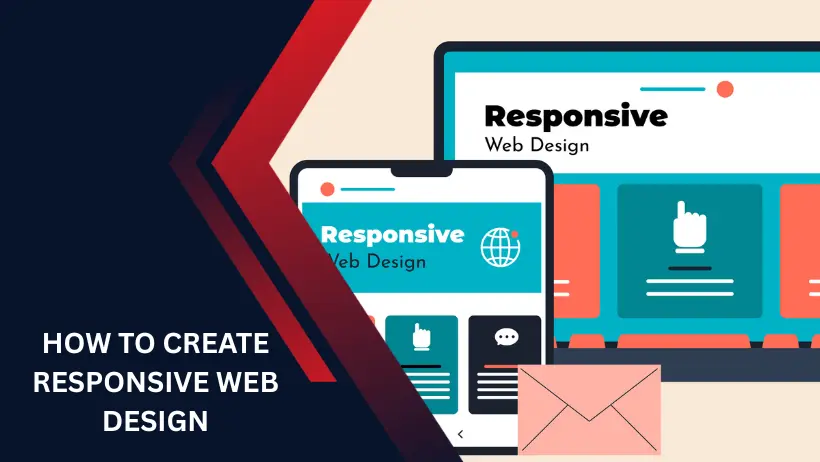
Responsive web development helps ensure that content adapts correctly across different screen sizes and devices.
Benefits of mobile-friendly development include:
- Improved usability
- Better engagement rates
- Lower bounce rates
- Enhanced user experience
- Support for mobile-first indexing
Businesses looking to improve long-term search visibility should view mobile optimization as a core development requirement rather than an optional feature.
How Search Engines Evaluate Website Quality
Search engines want to provide users with the most relevant and reliable results possible. To achieve this, they evaluate multiple aspects of website quality beyond content alone.
Some of the key factors include:
- Page loading performance
- Mobile usability
- Website security
- Content accessibility
- Internal linking structure
- User engagement signals
- Technical SEO implementation
When development and SEO work together, businesses create websites that are easier for search engines to understand and easier for users to navigate.
This relationship is one reason many businesses discover that website quality directly impacts SEO growth over time.
Can a Website Redesign Increase Organic Traffic?
In many situations, the answer is yes. A website redesign can improve organic traffic when it addresses performance issues that limit visibility.
Modern website redevelopment projects often focus on:
- Improving website speed
- Enhancing mobile responsiveness
- Fixing technical SEO issues
- Improving content organization
- Creating better user experiences
- Strengthening internal linking
However, redesigns should be approached carefully. Poorly planned redesigns can cause traffic loss if redirects, URLs, and SEO elements are not handled correctly.
For this reason, development projects should always consider SEO requirements from the beginning.
Internal Linking Helps Search Engines Understand Content Relationships
Internal linking is one of the most overlooked aspects of website development and SEO. Well-planned internal links help search engines discover pages while providing visitors with relevant information.
Instead of linking pages randomly, businesses should connect content based on relevance and user intent.
For example, companies planning a new website often review factors such as scalability, functionality, and future growth opportunities before development begins. These considerations are discussed in our website development guide for startups and SMEs.
A strong internal linking strategy improves crawlability and helps distribute authority throughout the website.
Signs Your Website May Be Limiting Organic Growth
Many businesses focus entirely on SEO campaigns without realizing that website limitations are affecting results.
Some warning signs include:
- Traffic growth has stalled
- Pages take too long to load
- High bounce rates
- Poor mobile experience
- Low conversion rates
- Frequent technical errors
- Indexing issues in Search Console
If these problems exist, improving the website foundation may create better results than simply publishing more content.
Web Development and SEO Work Best Together
Web development and SEO should never be treated as separate activities. A technically strong website provides the infrastructure that allows SEO efforts to perform effectively.
Without a solid foundation, even high-quality content can struggle to reach its full potential.
At the same time, development alone will not generate traffic. Businesses still need valuable content, keyword targeting, and ongoing optimization to improve visibility.
When both disciplines work together, websites are better positioned to attract qualified visitors, improve engagement, and generate sustainable growth.
Final Thoughts
Organic traffic growth is influenced by far more than keywords and content. Website structure, performance, mobile usability, internal linking, and technical health all contribute to how search engines evaluate a website.
Businesses that invest in professional web development create stronger foundations for SEO, user experience, and long-term growth. As search engines continue prioritizing website quality, development decisions will remain an important factor in online visibility and traffic generation.
A well-developed website not only helps search engines understand your content but also helps visitors trust your business, engage with your services, and take meaningful action.
What is Web Development in digital marketing?
Web Development refers to building and maintaining websites that are optimized for performance, user experience, and search engine visibility.
How does web development help generate organic traffic?
Professional web development improves website speed, structure, and SEO readiness, helping search engines rank the site higher.
What is SEO friendly website development?
It is the process of developing websites with optimized structure, mobile compatibility, and fast loading speed so they perform well in search results.
Why is website performance important for SEO?
Fast and stable websites provide better user experiences, which helps reduce bounce rates and improve search rankings.
How can Bizstartify help my business online?
Bizstartify builds optimized websites and digital strategies that improve visibility, attract organic visitors, and support long-term business growth.